
Marriage License Requirements 2026: All 50 States Compared
Fees, waiting periods, ID needed, age rules, witnesses, and license validity for every US state. Jump straight to your state below.
Share Your Wedding Photos FreePick Your State
Each state has its own fee, waiting period, and ID rules. Jump straight to your state's marriage license requirements for 2026.
The Universal Marriage License Checklist
Bring all of these to the county clerk's office and you will be prepared for almost every state in the country.
Valid Photo ID
Passport, state drivers license, or government-issued ID card for each partner. Must not be expired.
Proof of Age
Birth certificate for each applicant if your ID does not clearly show your birthdate or if the clerk requests it.
Fee Payment
Cash, card, or check depending on the county. Fees range from $25 to $115+. Check in advance.
Social Security Number
Not always required to show a card, but most states ask you to provide your SSN on the application form.
Divorce or Death Records
If either partner was previously married, bring the final divorce decree or spouse's death certificate.
Know Your County
Get the license in the county where the ceremony will be held, or any county in the state. Requirements vary by county.
Which ID Documents Are Accepted?
A quick reference for what county clerks typically accept (and do not accept) as valid identification.
Age Requirements and Minors
The legal landscape for minor marriages has shifted significantly since 2016. Here is the current state of play.
Standard: Age 18
All 50 states set the minimum age for marriage without any consent or court involvement at 18. You do not need parental consent, a judge's order, or any special permission if both partners are at least 18.
Under 18: Court Order Required
As of 2026, most states that still permit marriages under 18 require a judge to approve the marriage (and often parental consent as well). Several states including Delaware, New Jersey, Pennsylvania, and New York have banned all marriages under 18 with no exceptions.
The Trend: Absolute Bans
A growing number of states have enacted absolute bans on marriage under 18 with no exceptions. Always verify the current law in your state as this area of law has been changing rapidly since 2016.
Blood Tests: Completely Obsolete in the US
You may read old websites claiming that certain states still require a blood test for a marriage license. This is outdated information. No US state requires a blood test to obtain a marriage license as of 2026. The requirement existed historically to screen for rubella and syphilis. The last states dropped it decades ago. You can ignore any information about blood tests for US marriage licenses.
Note: A few countries outside the US still require medical certificates or blood tests. If you are marrying abroad, check the requirements for that specific country separately.
State-by-State Quick Reference
Key figures for 15 major states. Always verify current fees and waiting periods directly with your county clerk, as these can change.
| State | Fee | Waiting Period | Validity | Min Age | Witnesses |
|---|---|---|---|---|---|
| California | $35-$115 | None | 90 days | 18 (court order for under 18) | 1 |
| New York | $35-$40 | 24 hours | 60 days | 18 (court for under 18) | 1 |
| Texas | $31-$100+ | 72 hours | 90 days | 18 (no exceptions by law) | 2 |
| Florida | $86-$93.50 | 3 days (waived with premarital course) | 60 days | 18 (court order for under 18) | 2 |
| Illinois | $30-$60 | None | 60 days | 18 (court for under 18) | 1 |
| Pennsylvania | $25-$90 | 3 days (waived for residents) | 60 days | 18 (court for under 18) | 2 |
| Ohio | $50-$80 | None | 60 days | 18 (court for under 18) | 2 |
| Georgia | $56-$106 | None | 6 months | 18 (parental for 16-17) | 2 |
| Colorado | $30 | None | 35 days | 18 (court for under 18) | 2 (self-solemnization allowed) |
| Washington | $63 | 3 days | 60 days | 18 (court for under 18) | 2 |
| Arizona | $72-$83 | None | 12 months | 18 (no exceptions since 2022) | 2 |
| Wisconsin | $110 | 6 days | 60 days | 18 (court for under 18) | 2 |
| Minnesota | $115 | 5 days (waived with premarital course) | 6 months | 18 (court for under 18) | 2 |
| Tennessee | $97.50 | 3 days (waivable) | 30 days | 18 (court for under 18) | 2 |
| Nevada | $77 | None | 1 year | 18 (court for under 18) | 1 |
Data current as of early 2026. Verify with your county clerk before applying.
States That Reward Premarital Education
Several states offer significant incentives to couples who complete an approved premarital education course, including fee waivers and waived waiting periods.
Courses typically cost $25-$150 and take 4-8 hours. They are available online in most states. The savings in fees and the waived waiting period often make them well worth it.
Consanguinity Rules: Who Can and Cannot Marry
Every state prohibits marriage between close blood relatives. The rules for first cousins vary widely.
Universally Prohibited (All States)
- Parent and child
- Siblings (full and half)
- Grandparent and grandchild
- Aunt/uncle and niece/nephew
First Cousins: It Depends on the State
First-cousin marriage is legal in about 19 states plus Washington DC, including California, New York, Florida, and Massachusetts. About 25 states ban it outright. Several states allow it only if at least one partner is over a certain age or cannot have children. Check your specific state's law.
5 Common Pitfalls When Applying for a Marriage License
Most states require both people to appear in person. Sending one partner alone almost always results in a wasted trip. Some counties allow scheduling appointments; book ahead.
A drivers license expired by even one day will usually be rejected. Check every ID before you go. A passport is a reliable backup as it may still be accepted for a period after expiration in some counties.
If you plan to marry quickly (elopement, courthouse wedding), check your state's waiting period first. You may need to apply days before you expect to.
If you or your partner was previously married, you must bring the divorce decree or death certificate. Forgetting this is one of the most common reasons people have to make a second trip.
Marriage licenses expire. If something changes and you postpone your wedding, make sure your license will still be valid. If not, apply for a new one.
Officiant and Witness Requirements
Beyond the license itself, your ceremony must meet these additional legal requirements to produce a recognized marriage.
Officiant Requirements
The person performing your ceremony must be legally authorized in the state where the ceremony occurs. Authorized officiants typically include judges, justices of the peace, ordained ministers, and individuals ordained online (in most states). Authorization varies by state — online ordinations from organizations like Universal Life Church are accepted in most but not all states.
Witness Requirements
Witness requirements vary significantly by state. Most states require one or two witnesses to sign the marriage license. A few states such as Colorado (for self-solemnization) require none. Witnesses must generally be 18 or older and cannot be one of the two people getting married. They sign the license at the ceremony alongside the officiant.
Online and Remote Marriage License Options
The pandemic accelerated some states experimenting with remote processes. Here is the current landscape in 2026.
Fully allows remote marriage licenses and self-solemnization. Couples can apply online and marry without an in-person visit to any office. This makes Colorado the most flexible state in the US for elopements and destination weddings.
Has a proxy marriage law and allows certain remote processes. Specific rules apply and the law has evolved; verify current requirements with the Utah county clerk before planning around this option.
As of 2026, all other US states still require both partners to appear in person at the county clerk's office to apply for a marriage license. There is no national remote option. If physical appearance is genuinely impossible due to military deployment or similar, some counties may have case-by-case accommodation.
How to Reduce Your Marriage License Fee
Several strategies can meaningfully lower the cost of getting a marriage license. None require you to change your wedding plans.
Complete a Premarital Education Course
Florida, Minnesota, Tennessee, Louisiana, South Carolina, and Oklahoma all reduce the fee or waive it entirely for couples who complete an approved premarital education course. Online courses typically cost $25-$75 and take 4-8 hours. In Florida the savings exceed $57.
Call Ahead and Ask About Hardship Waivers
Some counties have unpublicized hardship waivers for low-income applicants. It is worth calling the clerk's office directly and asking whether any fee reductions are available before you assume you must pay the full amount.
Plan for One Trip, Not Two
Showing up without all required documents (especially divorce paperwork) means a second trip and potentially a second parking or travel cost. Make a thorough checklist before going to ensure you are not forced to return.
Same-Sex Marriage: Equal Requirements in All 50 States
Following the Supreme Court ruling in Obergefell v. Hodges (2015) and the subsequent federal Respect for Marriage Act (2022), same-sex marriages are fully legal and must be recognized in all 50 US states plus territories and Washington DC. The marriage license requirements are identical to opposite-sex couples in every state, county, and city. No additional documentation, different fees, or different processes apply. If you encounter any county clerk who suggests otherwise, ask to speak with a supervisor or contact the ACLU.
Step-by-Step: How to Apply for a Marriage License
A practical walkthrough of the entire application process from start to signed license.
Search "[your county] county clerk marriage license" to find the specific office, address, hours, and appointment requirements. Many counties now offer online pre-registration to speed up your in-person visit.
Every county has a website or phone line detailing exactly what documents to bring and how much the fee is. Requirements do occasionally change, so check within 2-3 weeks of your planned visit.
Collect valid photo IDs for both partners, birth certificates, Social Security numbers, and any divorce or death certificates if applicable. Bring originals, not photocopies, unless the county explicitly says copies are acceptable.
Both partners must appear in person in most states. Bring your documents, be ready to provide your full legal names, dates of birth, places of birth, and parents' names (some states ask for parental information on the application).
Fill out the application form (often just a few minutes), pay the fee, and receive your license. Read the license carefully to verify all information is correct — spelling errors in names are easier to fix before you use the license.
Write down the expiration date and add a calendar reminder 10 days before it. If your ceremony date shifts, you will want early warning if the license is at risk of expiring.
Related Wedding Legal Guides

First dance
You guys!!
Requirements met. Memories waiting to be made.
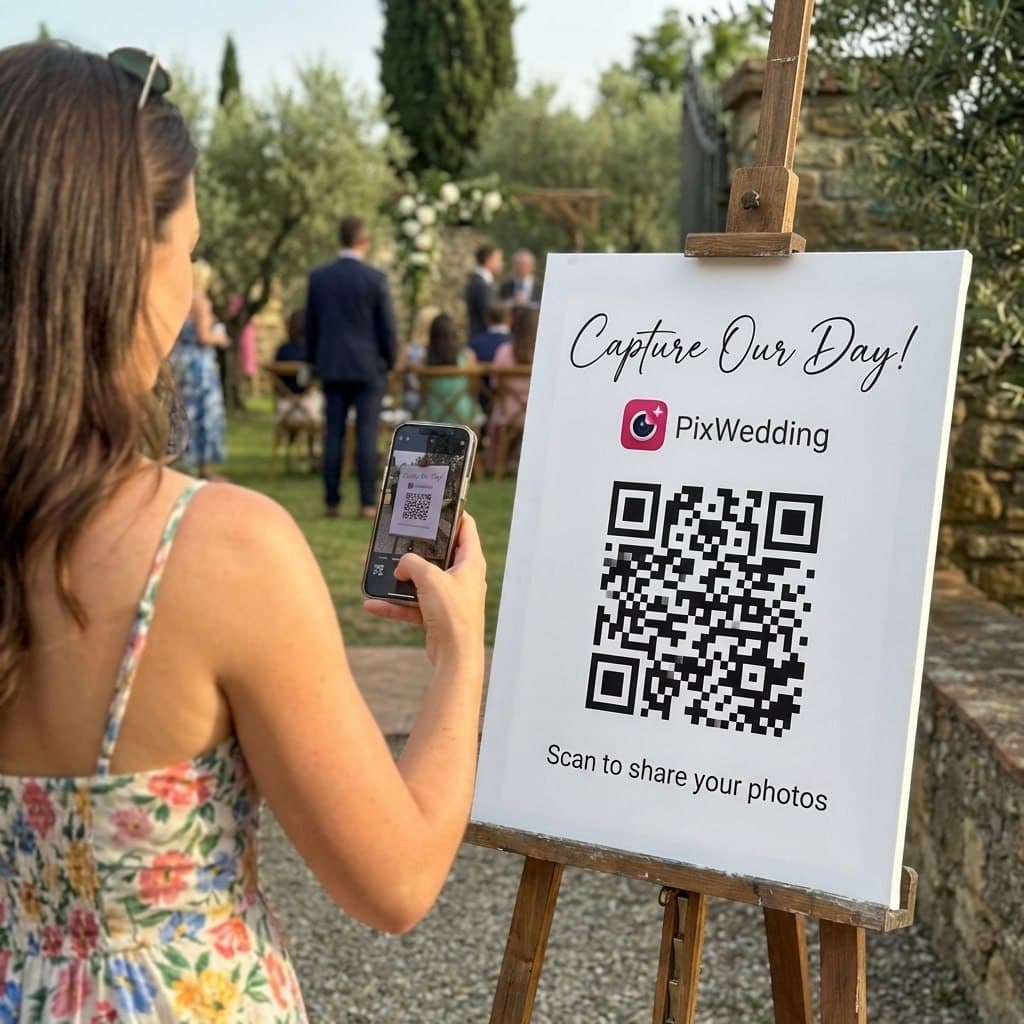
Once the license is in hand, the focus shifts to the day itself. Put a QR code at each table and guests upload their photos straight into your shared album.

From Mom
ALBUM
Emma & Jack
June 14, 2026
634 photos · 94 guests







Universal Requirements Found in Every State
While marriage license requirements vary by state, a core set of requirements is nearly universal across all 50 states plus Washington DC. Knowing these universal requirements lets you start preparing before you research your specific state.
Residency is almost never required — you can obtain a marriage license in any US county regardless of where you live, and the license is valid throughout that state. Many couples obtain licenses in the county where the venue is located for convenience.
- •Both partners must be of legal age (18 without parental consent in most states)
- •Valid government-issued photo ID is required for both partners
- •The marriage cannot be between close relatives (consanguinity rules)
- •Both parties must be legally free to marry (not currently married to someone else)
- •Application must be made in person at a county or city clerk's office in most states
- •A fee must be paid at the time of application
Special Circumstances That Add Extra Requirements
Certain situations require additional documentation or steps. If you or your partner has been married before, are a minor, are a non-citizen, or are related by adoption rather than blood, the clerk may need to see additional paperwork.
Same-sex marriages are fully legal in all 50 states following Obergefell v. Hodges (2015). The requirements are identical to opposite-sex marriages in every state.
- •Previously married: final divorce decree or death certificate of former spouse
- •Minor applicants (where allowed): notarized parental or judicial consent
- •Non-citizens: a valid passport is typically accepted as photo ID
- •Name match issues: supplemental documentation (prior marriage certificate, court name change order)
After You Have the License: What Comes Next
Obtaining the license is the beginning, not the end, of the legal marriage process. Once you have the license you must get married within the validity window, have the appropriate people sign the license, and ensure the signed license is returned to the clerk for recording.
After recording, the county will issue your marriage certificate, which is the document you will use for all future administrative tasks like name changes and passport applications.
Explore more free wedding tools
Everything you need to make your wedding day stress-free and unforgettable.
QR Sticker Designer
Design custom print-ready stickers.
How to Collect Guest Photos
5 methods ranked by participation rate and ease.
Get Photos After the Wedding
Message templates to gather guest photos post-wedding.
Share Wedding Photos with Guests
Compare every sharing platform by ease and participation.
Best Way to Get Guest Photos
The single method with the highest participation rate.
How to Make a Shared Wedding Album
Step-by-step setup for every platform.
Alternative to Disposable Cameras
Better, cheaper options than disposable cameras.
Alternative to Wedding Photo Booth
5 cheaper alternatives to a $1,000+ photo booth rental.
Marriage License Requirements: FAQs
Everything you need to know about our free tools and how they help your wedding day.
Most US counties require valid government-issued photo ID (passport or drivers license), proof of age (birth certificate), and Social Security number. If previously married, you will also need a divorce decree or death certificate. Some counties require proof of residency. Always check with your specific county clerk before going.
Marriage license fees range from about $25 in states like Texas (some counties) to over $115 in Minnesota or California. The national average is roughly $60-$80. Fees are set at the county or state level and can change annually. Some counties offer discounts for completing a premarital education course.
In most US states, yes, both partners must appear in person at the county clerk's office to apply. A small number of states allow one partner to apply by proxy in exceptional circumstances, and a few allow the entire process online (Colorado allows remote weddings). Check your state's specific requirements.
About 20 US states have mandatory waiting periods ranging from 24 hours to 6 days. States like Wisconsin require a 6-day wait. Others like California, New York, and Texas have no waiting period at all. You should apply at least 2-3 weeks before your ceremony to be safe regardless of your state's policy.
No US state currently requires a blood test as a condition of obtaining a marriage license. The last states to require them (like Montana and the District of Columbia) dropped the requirement years ago. You may encounter outdated information online, but blood tests are not required anywhere in the US as of 2026.
Yes. You will typically need to provide your final divorce decree (the judgment of dissolution) showing the divorce is finalized. Some states require a waiting period after divorce before you can remarry, typically 30-180 days. Check your state's specific rules if you have been previously divorced.