
How Long Does a Marriage License Last After the Ceremony?
Post-ceremony filing deadlines by state, who is responsible for filing, and what to do if the deadline is missed.
Share Your Wedding DayThis Guide Covers Post-Ceremony Filing (Not Pre-Ceremony Validity)
There are two deadlines on every marriage license. The pre-ceremony validity window (how long you have to perform the ceremony after issuance, typically 30-90 days) is covered at /how-long-is-a-marriage-license-good-for. This guide focuses on the post-ceremony deadline: after you have said "I do," how long does the officiant (or you) have to return the signed license to the county clerk?
Post-Ceremony Filing: Key Numbers
Filing deadlines vary dramatically by state. Know where your state falls.
3-5 days
Strictest states
MA, TN, WA, OR, MT, MD, and others require filing within 3-5 days of the ceremony.
10-15 days
Most common window
The plurality of U.S. states require filing within 10-15 days of the ceremony.
30-63 days
Most lenient states
TX, CO, AR, and a handful of others allow 30-63 days for post-ceremony filing.
4-8 weeks
Certificate turnaround
After filing, certified marriage certificates are typically available within 4-8 weeks.
Post-Ceremony Filing Deadlines by Region
Grouped by region for easy comparison. Always verify the current rule with your specific county clerk.
Northeast
| State | Post-Ceremony Deadline | Who Files | Notes |
|---|---|---|---|
| New York | 5 days | Officiant | Officiant must return within 5 days of ceremony |
| New Jersey | 5 days | Officiant | Filed with local registrar |
| Connecticut | 5 days | Officiant | Filed with town clerk |
| Massachusetts | 3 days | Officiant | One of the shortest deadlines |
| Rhode Island | 3 days | Officiant | Filed with city/town clerk |
| New Hampshire | 6 days | Officiant | Filed with town/city clerk |
| Vermont | 10 days | Officiant | Filed with town clerk |
| Maine | 7 days | Officiant | Filed with town clerk |
| Pennsylvania | 10 days | Officiant or couple | Self-uniting couples file themselves |
Mid-Atlantic and Southeast
| State | Post-Ceremony Deadline | Who Files | Notes |
|---|---|---|---|
| Maryland | 48 hours | Officiant | One of the strictest deadlines in the country |
| Virginia | 5 days | Officiant | Filed with circuit court clerk |
| North Carolina | 10 days | Officiant | Filed with register of deeds |
| South Carolina | 30 days | Officiant | Longer window than most states |
| Georgia | 30 days | Officiant | Filed with probate judge |
| Florida | 10 days | Officiant | Filed with county clerk |
| Tennessee | 3 days | Officiant | Very short window |
| Alabama | 30 days | Officiant | Alabama has unique marriage license structure |
Midwest
| State | Post-Ceremony Deadline | Who Files | Notes |
|---|---|---|---|
| Illinois | 10 days | Officiant | Filed with county clerk |
| Ohio | 30 days | Officiant | Filed with probate court |
| Michigan | 10 days | Officiant | Filed with county clerk |
| Indiana | 30 days | Officiant | Filed with circuit court clerk |
| Wisconsin | 5 days | Officiant | Filed with county clerk registrar |
| Minnesota | 5 days | Officiant | Filed with court administrator |
| Iowa | 15 days | Officiant | Filed with county recorder |
| Missouri | 15 days | Officiant | Filed with recorder of deeds |
South Central
| State | Post-Ceremony Deadline | Who Files | Notes |
|---|---|---|---|
| Texas | 30 days | Couple | In Texas the couple files the license themselves |
| Louisiana | 30 days | Officiant | Filed with clerk of court |
| Arkansas | 60 days | Officiant | One of the longer deadlines |
| Mississippi | 30 days | Officiant | Filed with circuit clerk |
| Oklahoma | 10 days | Officiant | Filed with court clerk |
| Kansas | No set deadline | Officiant | No explicit statutory deadline; file promptly |
Mountain and West
| State | Post-Ceremony Deadline | Who Files | Notes |
|---|---|---|---|
| California | 10 days | Officiant | Filed with county recorder; public vs. confidential license |
| Colorado | 63 days | Couple (self-uniting option) | Self-uniting license available; couple files |
| Washington | 3 days | Officiant | Very short window |
| Oregon | 3 days | Officiant | Filed with county clerk |
| Nevada | Upon issuance | Varies | Many Las Vegas ceremonies file immediately at the clerk |
| Arizona | 20 days | Officiant | Filed with clerk of superior court |
| Utah | 30 days | Officiant | Filed with county clerk |
| Idaho | No set deadline | Officiant | No statutory deadline; file promptly |
| Montana | 3 days | Officiant | Filed with county clerk |
Data reflects general state law as of 2026. County-level rules may differ. Always confirm with your county clerk. Red = strictest deadlines. Green = most lenient.
Post-Ceremony Timeline: What to Do After "I Do"
The ceremony is over. Here is the exact sequence to ensure your marriage is legally recorded and you have your certificate in hand.
Collect all signatures before guests leave
Both spouses, officiant, and required witnesses must sign. Do not let the license leave the venue unsigned.
Photograph or scan the signed license
Keep a digital copy for your records in case the original is lost in transit. This copy cannot be used legally but helps reconstruct the record.
Officiant mails or delivers the signed license
If your officiant handles filing, confirm they have sent it. Provide a self-addressed stamped envelope if needed. Ask for tracking confirmation.
Call the county clerk to confirm receipt
Ask if they have received the license and approximately when it will be recorded. This is the most important follow-up step most couples skip.
Order certified copies of marriage certificate
Once recorded, order 6-8 certified copies. Use one for SSA name change, one for DMV, one for passport, and keep extras archived.
Complete all name change applications
SSA first, then DMV, then passport if needed. Allow 2-6 weeks per agency.
Missed the Filing Deadline? Here Is What to Do
It happens. A plan of action exists for most scenarios.
Missed by a Few Days (Up to 2 Weeks)
Missed by Weeks or Months
Missed by a Year or More
Texas: The Couple Files, Not the Officiant
Texas is unusual because the couple, not the officiant, is responsible for returning the signed marriage license to the county clerk within 30 days of the ceremony. If you marry in Texas and do not file the license yourself, no one else is doing it for you. Texas couples should put a calendar reminder for 2 weeks after the ceremony to file in person or by mail. Texas also has a 72-hour waiting period between license issuance and when the ceremony can be performed (waivable for active military and some other circumstances).
Getting Your Certified Marriage Certificate: Timeline and Process
After the license is filed and recorded, here is how to obtain certified copies.
In-Person at County Clerk
Fastest method. Bring ID. Many counties let you order while you are there filing.
Mail Order to County Clerk
Send a written request with your full legal names, ceremony date, and a money order or check.
Online Vital Records Service
VitalChek and similar services act as intermediaries. Convenient but add a processing fee.
State Vital Records Office
For records more than a few years old or if the county no longer exists in its original form.
Why Couples Discover Late That Their Marriage Was Never Filed
These are the real scenarios behind late or missing filings. Each one is preventable.
The Officiant Lost the License
A couple asks a family friend to get ordained online and perform their ceremony. The friend is honored but unfamiliar with the filing requirement. Six months later, the couple tries to add the spouse to health insurance. The insurer asks for the marriage certificate. They call the county and discover no record exists. The officiant had kept the signed license in a pile of mail and never sent it in.
Before the wedding: give your officiant a self-addressed stamped envelope and written instructions. After the wedding: call the clerk within one week to confirm receipt.
The License Was Mailed but Arrived Damaged
The officiant dutifully mailed the signed license the day after the ceremony. The envelope was damaged in transit and the clerk returned it as unreadable. The officiant never followed up. The couple discovered the problem only when applying for a name change 8 weeks later.
Mail the license using USPS certified mail with return receipt, or deliver in person. Do not rely on regular first-class mail for a one-of-a-kind legal document.
The Couple Assumed the Venue Filed It
A destination wedding at a resort. The couple assumed the venue coordinator handled the filing as part of their wedding package. This was never actually discussed or confirmed. The coordinator was event staff, not a legal officiant, and had no filing responsibility.
Filing is the officiant's legal responsibility (or the couple's in Texas and a few other states). It is never the venue's responsibility. Confirm the filing process explicitly with your officiant before the wedding.
The License Was Filed in the Wrong County
A couple obtained their license in County A but held the ceremony in a scenic location in County B. The officiant filed the signed license with County B's clerk. County B had no record of issuing the license and returned it. County A had already closed the license as uncompleted.
Always file the signed license with the county that issued it, regardless of where the ceremony occurred. Verify this with your officiant.
Related Marriage License Guides

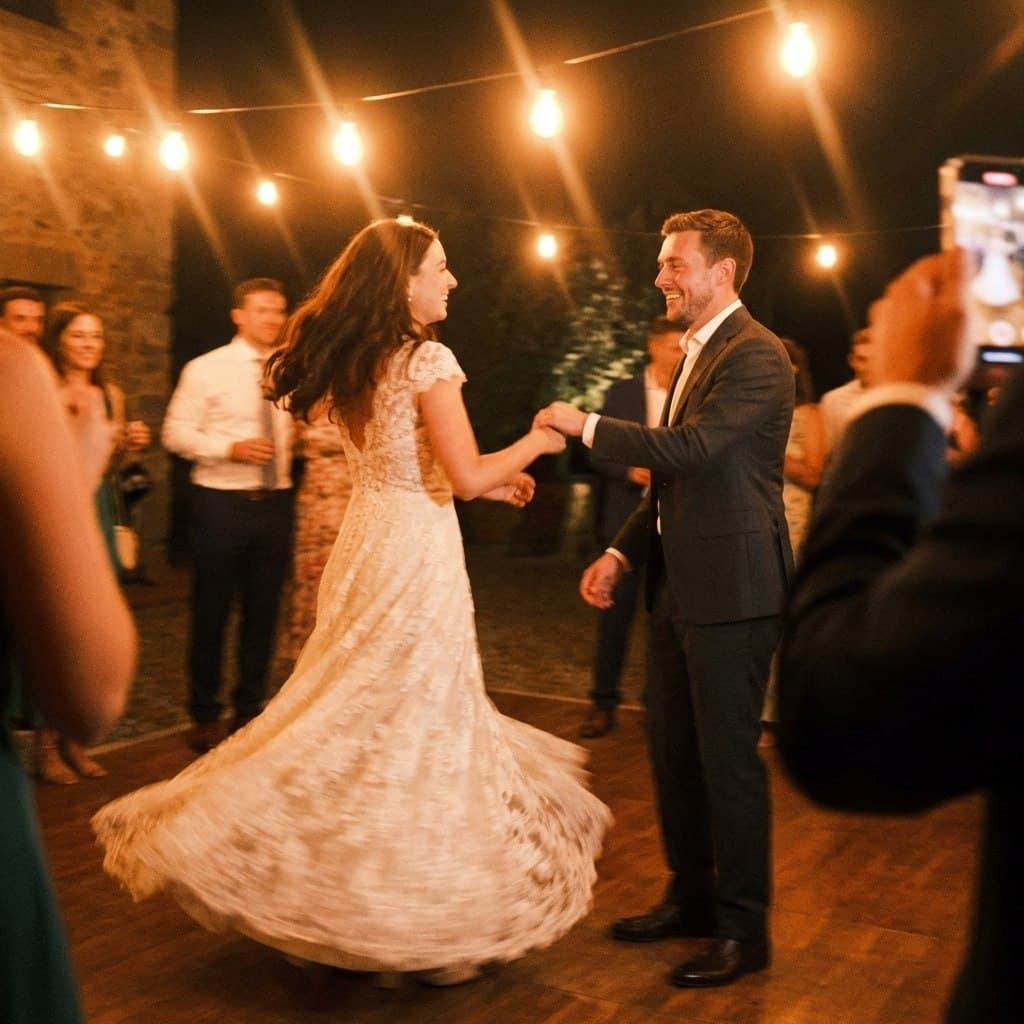
First dance
You guys!!
Your license has a deadline. Your photos shouldn't.
Plan the ceremony before the license expires - then set up a QR code so every guest's photo goes straight into one shared album, forever.

From Mom
ALBUM
Emma & Jack
June 14, 2026
634 photos · 94 guests







The Two-Phase Marriage License Timeline
Most articles about marriage license duration focus on Phase 1: how long you have to perform the ceremony after the license is issued. This guide focuses on Phase 2: what happens after the ceremony and when the paperwork must be filed.
Phase 2 begins the moment the officiant signs the license at the ceremony. From that point, the clock starts ticking on when the signed license must be returned to the county clerk. This deadline is called the post-ceremony filing deadline or the return deadline.
Missing the Phase 1 deadline (ceremony after license expires) means you must apply for a new license and pay again. Missing the Phase 2 deadline (late filing) means your marriage has no official record, which creates significant legal complications.
- •Phase 1 validity window: issuance date to ceremony date (30-90 days typical)
- •Phase 2 filing deadline: ceremony date to county clerk filing (3-90 days typical)
- •Most couples focus only on Phase 1 and overlook Phase 2
- •Both deadlines are legally enforced and have real consequences
- •Verify both deadlines with your county clerk when you pick up the license
How the County Recording Process Works
When the signed license reaches the county clerk, a clerk stamps it with a received date and assigns it a recording number. The document is then digitized and added to the official marriage index. From this point, anyone can order a certified copy using the recording number.
The time between filing and a certified copy being available varies by county. In major urban counties with high volume, it can take 4 to 8 weeks. In smaller counties, you may be able to pick up certified copies the same day you file.
The certified marriage certificate you receive is a government-produced document bearing the county seal. It is not a copy of the license; it is an official record extracted from the county's marriage index. This distinction matters for agencies like USCIS that require certified government records.
Real Scenario: What to Do if the License Was Never Filed
Late filing scenarios are more common than most people realize. Common causes include: the officiant lost the license, the license was mailed and went to the wrong address, the couple assumed the officiant filed and never confirmed, or the couple moved shortly after the wedding and lost track of the follow-up.
If you realize months or years later that your marriage was never officially recorded, start by contacting the county clerk where you obtained the license. Ask if any record of your marriage exists. If no record is found, ask about the late registration process.
States handle late registration differently. Some allow the county clerk to accept late filings with a penalty fee. Others require a petition to the state vital records office. A small number require a court proceeding to establish the marriage record. An attorney specializing in family law can help navigate a complicated late registration.
Explore more free wedding tools
Everything you need to make your wedding day stress-free and unforgettable.
QR Sticker Designer
Design custom print-ready stickers.
How to Collect Guest Photos
5 methods ranked by participation rate and ease.
Get Photos After the Wedding
Message templates to gather guest photos post-wedding.
Share Wedding Photos with Guests
Compare every sharing platform by ease and participation.
Best Way to Get Guest Photos
The single method with the highest participation rate.
How to Make a Shared Wedding Album
Step-by-step setup for every platform.
Alternative to Disposable Cameras
Better, cheaper options than disposable cameras.
Alternative to Wedding Photo Booth
5 cheaper alternatives to a $1,000+ photo booth rental.
Marriage License Filing: Your Questions Answered
Everything you need to know about our free tools and how they help your wedding day.
In most U.S. states, the officiant is legally responsible for returning the signed marriage license to the county clerk after the ceremony. However, some states place this responsibility on the couple. Your officiant should confirm who handles filing in your state before the wedding. Either way, confirm the license was actually filed within a week or two after your wedding by calling the county clerk to verify the record has been created.
An unfiled marriage license means your marriage has no official government record. You will not be able to obtain a certified marriage certificate, change your name legally, add your spouse to insurance, file taxes as married, or use the marriage for immigration purposes. In most states the marriage itself may still be considered legally valid if the ceremony was properly performed, but proving it without a record is extremely difficult. File as quickly as possible even if the deadline has passed.
Yes, in most states you can file late, but the process becomes more complicated. You may need to file a late registration with the state vital records office rather than the county clerk. Some states require a court order for late registrations. The longer you wait, the more difficult it becomes. Contact your county clerk or state vital records office immediately if you realize you have missed the deadline.
After the clerk receives and records the signed license, a certified marriage certificate is typically available within 2 to 6 weeks depending on the county. Many counties allow you to order certified copies the same day or week of filing if you appear in person. Online orders typically take longer. Rush processing is often available for an additional fee.
No, these are two different deadlines. The license validity window is how long you have to perform the ceremony after the license is issued (typically 30 to 90 days from issuance). The post-ceremony filing deadline is how long the officiant has to return the signed license to the county clerk after the ceremony (typically 3 to 30 days after the ceremony date). Both deadlines exist and both must be respected. This guide focuses on the post-ceremony filing deadline.
No. The original signed marriage license is kept permanently by the county clerk as the official record. You receive certified copies (not the original) after it is recorded. These certified copies are the documents you use for all legal purposes. This is why it is important to order multiple certified copies when you file, as each subsequent order costs additional fees.