
How to Get a Marriage License in 2026: Step-by-Step for All 50 States
Everything you need to know: where to apply, which documents to bring, waiting periods, validity windows, fees, and the most common mistakes couples make.
Open Free Wedding ChecklistThe 7-Step Marriage License Process
Follow these steps in order. Skipping any one of them is the most common reason couples end up scrambling in the days before their wedding.
Find Your County Clerk's Office
Search "[county name] county clerk marriage license" or visit your state's official website. Note the address, hours, appointment requirements, and accepted payment methods before you go.
Gather Your Documents
Both partners need a valid photo ID, Social Security numbers, birth certificates (if required), and divorce decrees or death certificates from any prior marriages. Bring originals, not copies.
Appear Together In Person
Most states require both applicants to be present at the same time. A few allow one partner to apply and mail or upload forms, but in-person is the universal default. Book an appointment if the office requires one.
Complete the Application
Fill out the official form with legal names (exactly as they appear on your IDs), dates of birth, addresses, and information about prior marriages. The clerk will verify your documents and may notarize signatures.
Pay the License Fee
Fees range from $20 in some counties to $115 in Minnesota. Cash, check, or card acceptance varies by office. Some counties offer discounts for completing an approved premarital education course, typically saving $25-$60.
Wait Out Any Mandatory Waiting Period
About half of US states have a waiting period of 24-72 hours before your license becomes legally valid. Plan your application date accordingly. Wisconsin has the longest at 5 days; most states are 0-3 days.
Get Married and Return the License
Your officiant signs the license during or immediately after the ceremony. They must return it to the county clerk within the timeframe set by your state (usually 10-30 days). The clerk then issues your official marriage certificate.
What Documents Do You Need?
Requirements vary by state, but these six categories cover what nearly every US county will ask for. Bring all originals since photocopies are usually not accepted.
Government-Issued Photo ID
Driver's license, state ID, passport, or military ID. Must be current and not expired. Both partners need their own ID.
Birth Certificate
Required in many states if your ID does not clearly show your date of birth. Bring the official certified copy, not a photocopy.
Social Security Number
Most states require your SSN on the application. Some ask to see your Social Security card; others just need the number. Know yours.
Divorce Decree or Death Certificate
If either partner has been married before, bring the final divorce decree or, if widowed, the death certificate of the former spouse.
Proof of Residency (Some States)
A handful of states or counties require proof of residency for at least one partner, such as a utility bill or lease agreement.
Witness (Some States)
A few states require one or two witnesses to accompany you to the clerk's office and sign the application at the time of issuance.
Appointment vs. Walk-In: What to Expect
About 60% of county clerk offices now require or strongly prefer scheduled appointments, especially in larger metro areas. Walk-in availability has shrunk since 2020. Here is what to know before you show up:
Appointment-Required Offices
Large counties (Los Angeles, Cook County, Harris County, Miami-Dade, King County, Maricopa) almost always require online appointment booking. Appointments are typically available 1-4 weeks out. Book early during wedding season (April through October).
Walk-In Friendly Offices
Smaller rural and suburban counties often accept walk-ins during business hours (typically Monday through Friday, 8am-4pm). Call ahead or check the county website to confirm current walk-in availability and to avoid wasted trips.
Online Pre-Filing Option
Many counties now let you start the application online before arriving, which significantly speeds up the in-person visit. You still need to appear in person to verify IDs and pay the fee, but pre-filing cuts your office time from 30-45 minutes down to 10-15 minutes.
Waiting Periods and Validity by State (All 50)
Plan your license application date carefully. A waiting period means the license is not valid until that many days after you apply. Validity means the license expires that many days after it is issued.
Special Situations and Edge Cases
Most couples have a straightforward application, but these situations come up often enough that it is worth knowing the rules before your appointment.
Previously Married Applicants
You must present the final divorce decree (not just a separation agreement) or the death certificate of a former spouse. Some counties require the decree to be certified. If your divorce was in a foreign country, you may also need a certified translation.
Out-of-State Applicants
Most states let non-residents apply as long as the ceremony takes place in that state. Exceptions include Louisiana, which adds paperwork for non-residents, and a few states that have residency tiebreaker rules. Always call the county clerk first if you live in a different state.
Minors Applying
As of 2026, most states set the minimum age at 18 without exceptions. A growing number have eliminated minor marriage entirely. In states that still allow it (17 in some states), court approval and in some cases parental consent are required. Check your state law directly.
Blood Test Requirement
As of 2026, the District of Columbia is the only US jurisdiction that still requires a blood test (for sickle cell screening). All 50 states have eliminated mandatory premarital blood tests. If you find older information online suggesting otherwise, it is outdated.
Day-of-Ceremony Emergencies
If your license is about to expire or you forgot to apply in time, some states (Florida, Texas) allow a judge to waive the waiting period in documented emergencies. Getting a judge's signature takes time, so act as soon as you realize the issue rather than hoping it resolves itself.
Proxy Marriage (Military)
A small number of states (Montana, California, Texas, and Colorado) permit proxy marriage where one partner is active-duty military deployed overseas and cannot be present. The absent partner must authorize a proxy in writing. Requirements vary considerably by state.
What Happens After the Ceremony
The license is not finished once you say "I do." There are still a few important steps that turn your marriage license into an official marriage certificate.
Officiant Signs the License
Your officiant (judge, religious leader, or ordained friend) signs the license during or immediately after the ceremony. Both witnesses also sign if your state requires them.
License Is Returned to the County
The officiant must mail or deliver the signed license back to the county clerk within the required timeframe, typically 10-30 days. In some counties, you can return it yourself if the officiant forgets.
Marriage Certificate Is Issued
Once the clerk processes the returned license (1-4 weeks), your marriage is officially recorded and a certificate is generated. You can then order certified copies for name-change purposes.
Order Certified Copies
Request 2-4 certified copies immediately. Each copy costs $5-$25. You will need them for Social Security, your driver's license, your passport, joint bank accounts, and beneficiary updates.
Related Marriage License Guides

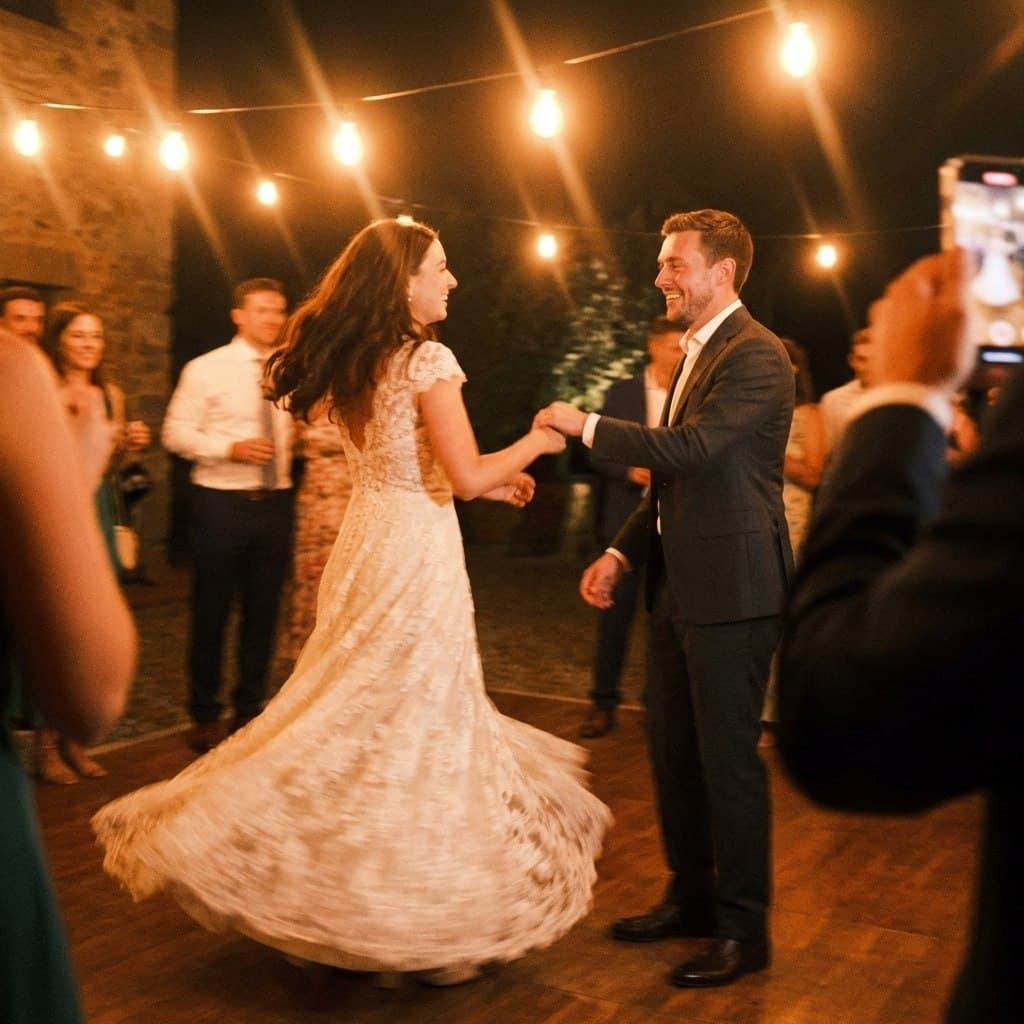
First dance
You guys!!
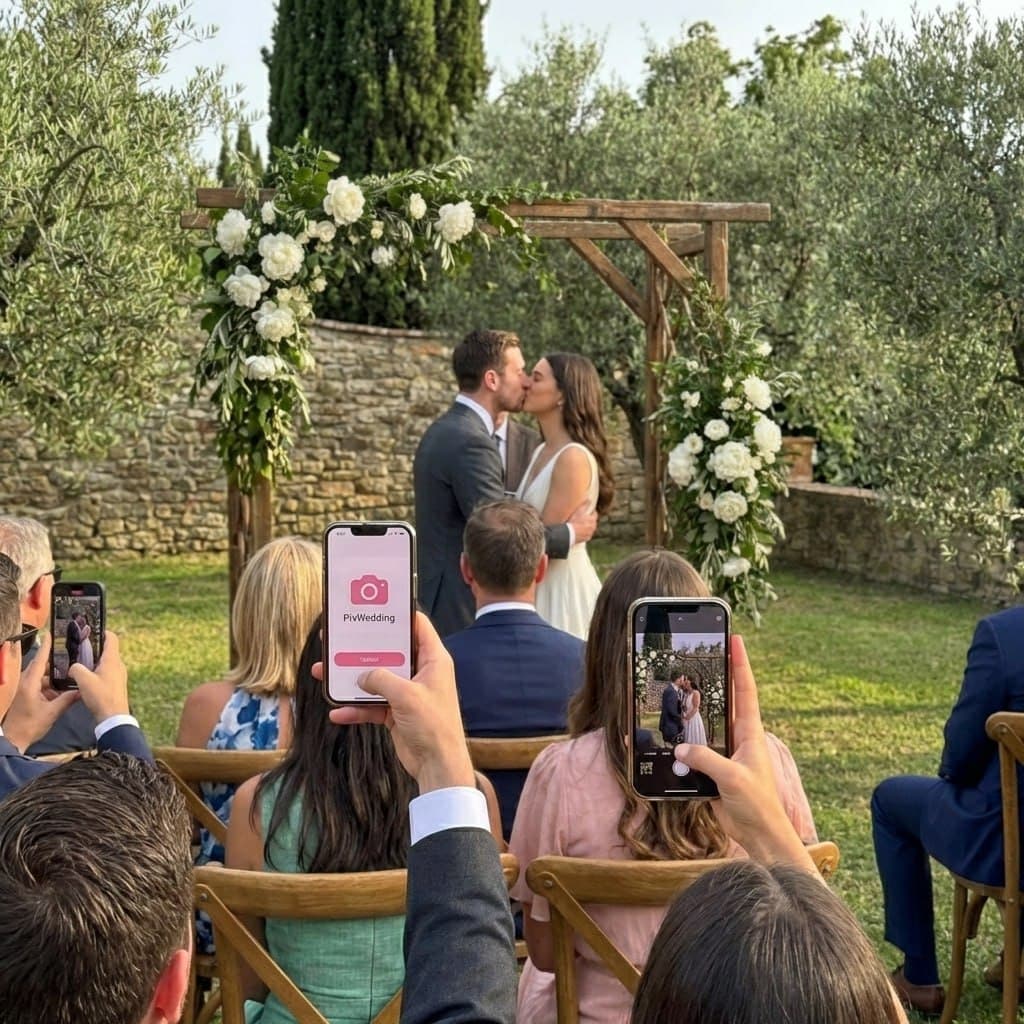
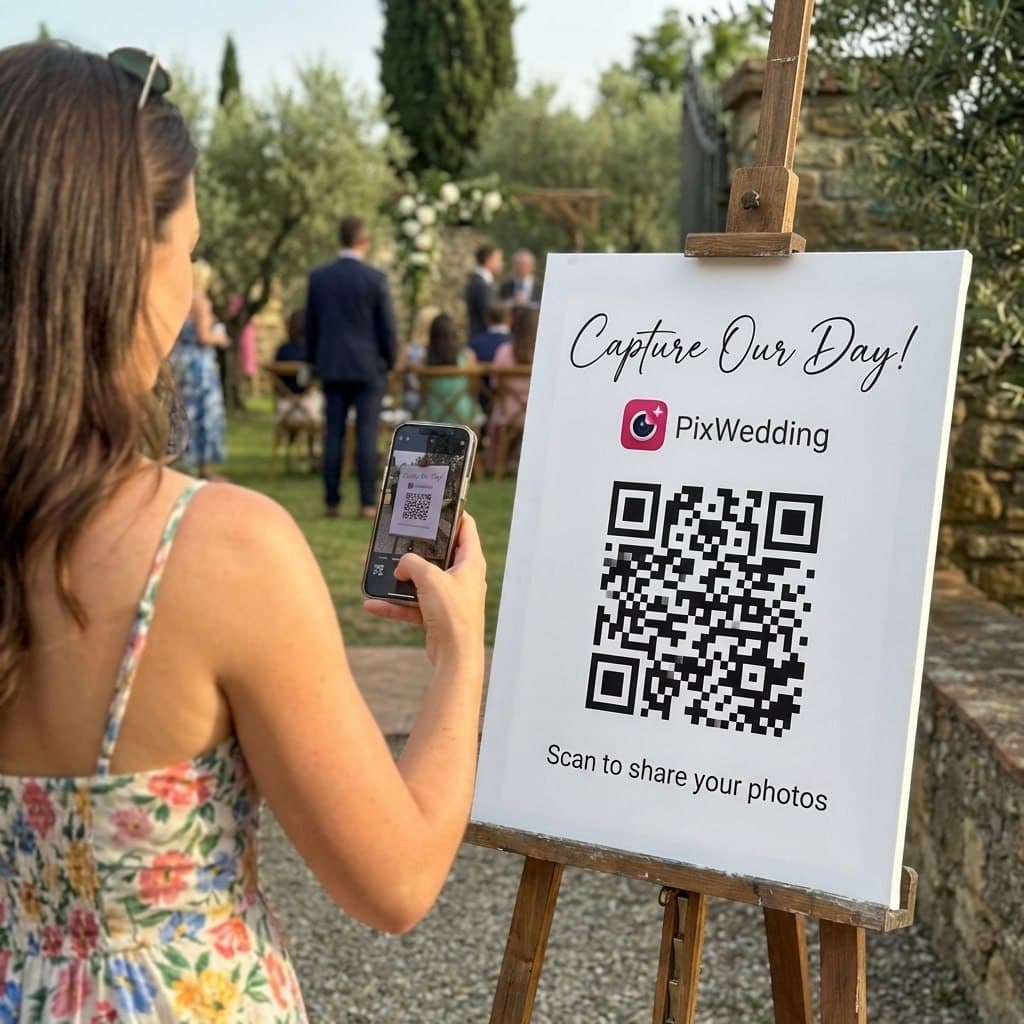
License sorted. Now sort the photos.
The aisle, the reception, the dance floor - each space has its own photo story. One QR code at the venue and guests upload everything to a single shared album.
From Mom
ALBUM
Emma & Jack
June 14, 2026
634 photos · 94 guests





Marriage License vs. Marriage Certificate: Key Differences
A marriage license is the government's permission to marry. You get it before your wedding ceremony. A marriage certificate is the official proof that you already got married. You receive it after the ceremony once your officiant returns the signed license to the county. Many couples confuse these two documents, but they serve very different purposes.
When employers, banks, or government agencies ask for "proof of marriage," they want the certificate, not the license. For name changes on your Social Security card, driver's license, or passport, you'll need certified copies of the marriage certificate, which typically cost $5-$25 each from the county clerk.
- •Marriage license: permission to marry, obtained before the ceremony
- •Marriage certificate: proof of marriage, received after the ceremony
- •Certified copies of the certificate cost $5-$25 each
- •Most name-change processes require 2-3 certified copies
Common Reasons Marriage License Applications Are Rejected
County clerks reject applications more often than couples expect. The most common reasons include expired or unacceptable ID, missing divorce documentation, an age discrepancy in records, and failing to meet the waiting period of a prior application. Knowing these pitfalls in advance saves you a second trip and potential delays to your wedding plans.
- •Expired government-issued photo ID
- •Missing final divorce decree (legal separation is not enough)
- •Insufficient proof of a former spouse's death
- •ID name does not match legal records exactly
- •Applicant is under minimum age without required parental consent or court order
- •Attempting to apply outside the county or state jurisdiction
Planning Your Wedding Day Photography
Once your legal paperwork is sorted, the next priority is capturing every moment. Pix Wedding's free photo-sharing platform lets your guests upload candid shots directly to your private wedding gallery. You'll end up with hundreds of real, unposed memories from every angle, all in one place.
Explore more free wedding tools
Everything you need to make your wedding day stress-free and unforgettable.
QR Sticker Designer
Design custom print-ready stickers.
How to Collect Guest Photos
5 methods ranked by participation rate and ease.
Get Photos After the Wedding
Message templates to gather guest photos post-wedding.
Share Wedding Photos with Guests
Compare every sharing platform by ease and participation.
Best Way to Get Guest Photos
The single method with the highest participation rate.
How to Make a Shared Wedding Album
Step-by-step setup for every platform.
Alternative to Disposable Cameras
Better, cheaper options than disposable cameras.
Alternative to Wedding Photo Booth
5 cheaper alternatives to a $1,000+ photo booth rental.
Marriage License FAQs
Everything you need to know about our free tools and how they help your wedding day.
You apply at your county clerk's office (sometimes called the county recorder or vital records office) in the county where you plan to marry. In most states, either partner can apply in any county within that state, not just your home county. Look up "[your county] county clerk marriage license" for the exact address and hours.
Most states require: a valid government-issued photo ID (driver's license, passport, or state ID), proof of age (birth certificate if your ID doesn't show birthdate clearly), your Social Security number (card not always required, just the number), and if previously married, a divorce decree or death certificate of the former spouse. Some states also require a witness or proof of residency.
The application itself takes 15-30 minutes at the clerk's office. However, many states have a mandatory waiting period of 24-72 hours after you apply before the license becomes valid. States with no waiting period include California, Colorado, Florida (varies by county), Georgia, and New York. States with the longest waits include Wisconsin (5 days) and Kansas (3 days).
Validity periods vary by state, typically between 30 and 90 days. Common examples: California is 90 days, Texas is 90 days, Florida is 60 days, New York is 60 days, Illinois is 60 days, and North Carolina is 60 days. If you don't marry within the validity window, you must apply and pay again. Check your specific state as a few states have shorter 30-day windows.
Yes, in most states you can apply for a marriage license even if you are not a resident, as long as the ceremony takes place in that state (or in some cases, anywhere). A handful of states have residency requirements or time requirements for non-residents. Always verify with the specific county clerk before traveling, especially if your wedding is in a different state from your home.
In most US states, both partners must appear together in person at the clerk's office to apply. A few states allow one partner to apply first and the other to sign later, or accept proxy applications in limited circumstances (such as for active-duty military). Check your state's rules before planning your trip to the clerk's office.